杭州
EN
网站首页
关于惠耳
新闻资讯
产品体系
听力顾问
连锁机构
人力资源
客户服务
听力测试
在线留言
资料下载
顾问咨询
上门服务
活动咨询
惠耳简介
/ABOUT US
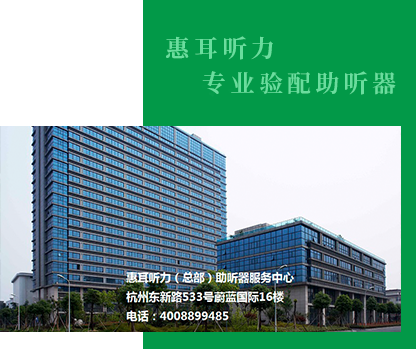
杭州惠耳听力技术设备有限公司是一家专业从事助听器研发、生产、验配与服务的“高新技术企业”及“专精特新企业”。基于良好的质量管理体系基础,公司成功通过ISO13485国际医疗器械质量管理体系认证,并在浙江、北京、上海、广东、江苏、山东、陕西、四川、重庆等20余个省、直辖市,及非洲加纳、坦桑尼亚,亚洲巴基斯坦开设了1500余家专业的听力连锁服务机构(截止到2024年8月),2500余名专业的服务人员为广大听障用户提供真诚优质的产品与服务,赢得了广大听障者的信任与赞扬,取得了较高的社会效益。杭州惠耳听力技术设备有限公司还...
read+
惠耳简介
企业文化
企业荣誉
惠耳风采
发展历程
公司新闻
2026-06-08
听力下降了,如何保护好残余听力?
2026-06-01
不再受骗!关于骨导助听器,一篇讲明白~
2026-05-28
如何分辨家中老人是否需要验配助听器?对照以下几点日常表现,您或许就知道了!
2026-05-20
90%家长都想知道:ABR和行为测听,哪个更准?
2026-05-09
助听器更换时面临的这些问题,建议提前了解!
2026-04-30
听力科普|骨导耳机≠骨导助听器,这些知识必须知道!
1800余家连锁机构
/linkage mechanism
惠耳(杭州)听力中心
浙江省杭州市下城区东新路537号
0571-87297100
滨江月明路惠耳
杭州市滨江区月明路855-2号
0571-86069771
杭州北景园惠耳
杭州市下城区回龙路199号(北景菊香苑公交站旁)
0571-87031508
杭州星桥街惠耳
杭州市拱墅区星桥街133号
0571-88175995
杭州望江路惠耳
杭州市望江路156号
0571-87095105
杭州文三西路惠耳
浙江省杭州市文三西路221号
0571-86833489
临平东湖中路惠耳
杭州市余杭区东湖街道东湖中路281号(财政局对面)
0571-89165510
杭州体育场路惠耳
杭州市体育场路519号
0571-85816567
杭州下沙惠耳
浙江省杭州市下沙区杭州经济开发区学林街1318号
0571-86771335
杭州解放路惠耳
杭州市上城区解放路168-1号
0571-85027318
滨江滨盛路惠耳
浙江省杭州市滨江区浦沿街道滨盛路4078号
0571-85103906
杭州文二西路惠耳
浙江省杭州市文二西路192号
0571-85100961
杭州登云路惠耳
浙江省杭州市拱墅区登云路407-1
0571-88237395
淳安新安东路惠耳
浙江省杭州市淳安县千岛湖镇新安东路354-356号
0571-65022337
临安国瑞中心惠耳
临安区锦城街道南苑小区1幢108-109
0571-61063592
萧山萧绍路惠耳
萧山区城厢街道萧绍路821号(萧山汽车总站对面)
0571-82156021
萧山育才北路惠耳
浙江省杭州市萧山区育才北路499号(萧山医院往南100米大润发超市西大门对面)
0571-82826487
杭州文三路惠耳
浙江省杭州市文三路259 号昌地火炬大厦一号楼1308 室
0571-87964710
杭州文一路惠耳
浙江省杭州市西湖区西溪街道文一路103号
0571-88084406
杭州直大方伯路惠耳
浙江省杭州市直大方伯路40号
0571-87793080
杭州德胜路惠耳
浙江省杭州市拱墅区德胜路332号
0571-88061519
富阳鹳山路惠耳
杭州市富阳区鹳山路20-3-4号(工人文化宫旁)
0571-23287210
富阳桂花西路惠耳
浙江省杭州市富阳桂花西路248号老春城饭店斜对面)
0571-63460961
新登东门东路惠耳
浙江省杭州市富阳新登镇东门东路5号(新车站旁)
0571-23202923
建德国信路惠耳
浙江省杭州市建德市新安江街道国信路231号(世纪联华超市后面)
0571-64715872
桐庐康乐路惠耳
浙江省杭州市桐庐县康乐路121号(迎春小学旁)
0571-64621850
杭州转塘惠耳
杭州市西湖区转塘街道美院北路建设南侧104号
0571-85787781
临安钱王大街惠耳
临安钱王大街309号(皇冠假日大酒店斜对面)
0571-63925776
瓜沥人民路惠耳
浙江省杭州萧山市瓜沥镇人民路406号(航民宾馆斜对面)
0571-83510275
余杭镇山西园路惠耳
浙江省杭州市余杭区余杭镇山西园路215号(与城西路交叉口)
0571-89053673
临浦人民路惠耳
浙江省杭州萧山区临浦镇人民路49号(镇政府斜对面)
0571-82649115
塘栖人民路惠耳
浙江省杭州市余杭区塘栖镇人民路406号(319公交总站旁边)
0571-86316906
瓶窑华兴路惠耳
浙江省杭州市余杭区瓶窑镇华兴路340号凤城花苑站旁
0571-88540068
朝晖惠耳
浙江省杭州市下城区新市街154号
0571-87805506
桐庐瑶琳路惠耳
浙江省桐庐县城南街道瑶琳路426号
0571-64383688
义蓬惠耳
杭州大江东产业集聚区义蓬街道义盛路458号
0571-83730863
富阳文教路惠耳
浙江省杭州市富阳区富春街道文教路39号
0571-63361852
余杭惠耳
浙江省杭州余杭市临平街道邱山大街215号
0571-86139446
建德严州大道惠耳
建德市新安江街道山水华庭43号(市一医院红绿灯路口)
0571-64598865
留下惠耳
杭州市西湖区留下街道杨梅山路290号(和家园3号岗)
13175050125
专业服务
/Special service
连锁服务
听力顾问
耳聋康复
专业设备
品牌助听器
人工耳蜗
无忧售后
推荐品牌
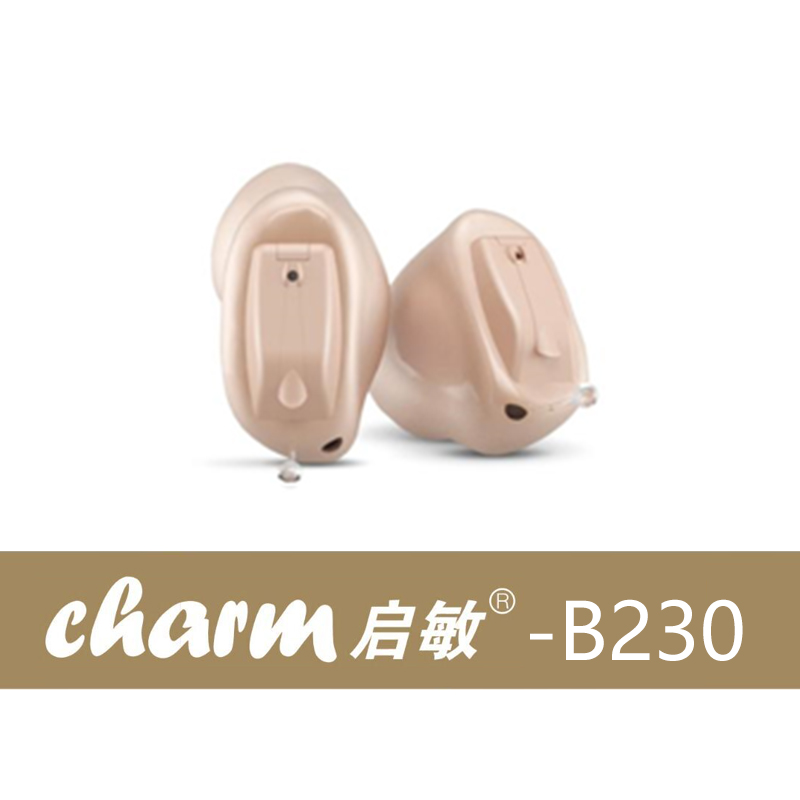
惠耳听力,启敏系列 启敏-B230 助听器
...
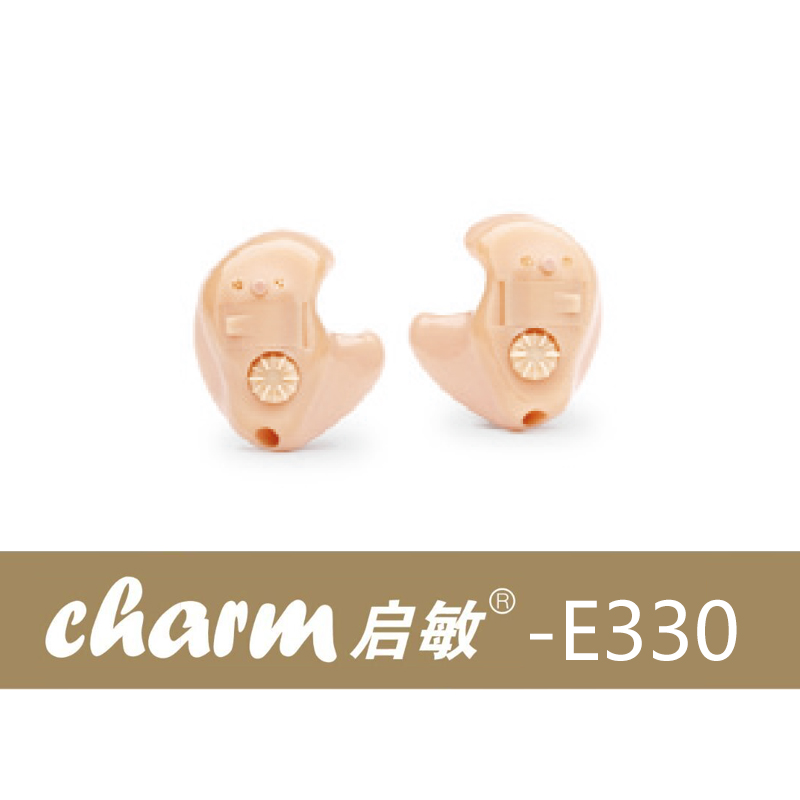
惠耳听力,启敏系列 启敏-E330 助听器
...
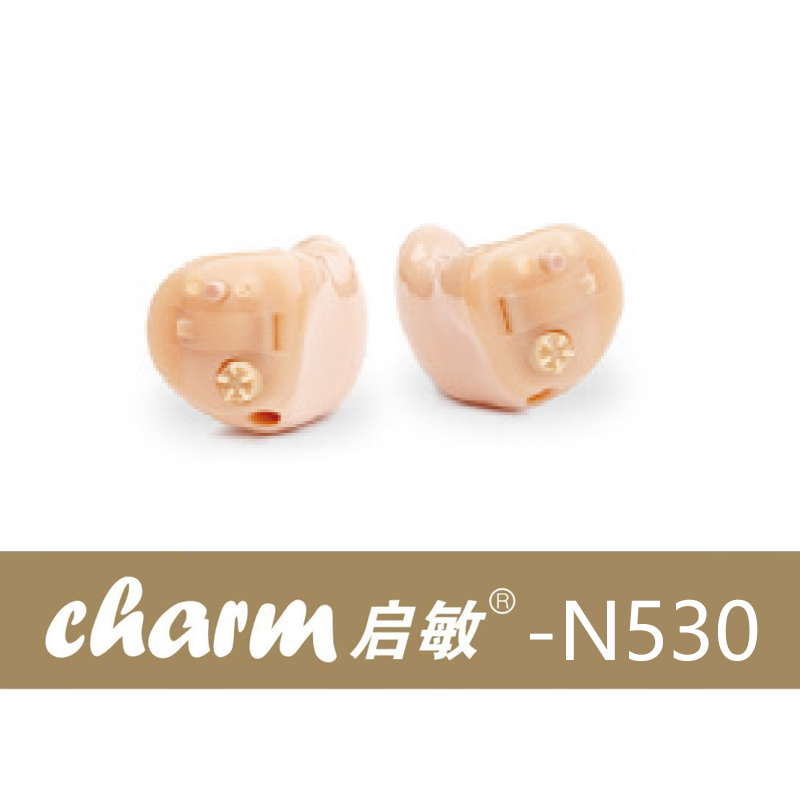
惠耳听力,启敏系列 启敏-N530 助听器
...
惠耳听力,启敏系列 启敏-G630 助听器
...
用户姓名:
联系方式:
配机地点:
配机时间:
问题描述:
友情链接:
南京助听器
合肥助听器
天津儿童助听器
成都老人助听器
深圳助听器
关于惠耳
惠耳简介
企业文化
企业荣誉
惠耳风采
科研成果
企业执照
新闻资讯
公司新闻
行业资讯
通知公告
产品体系
启敏助听器
悦享助听器
赛阁助听器
瑞声达助听器
神逸助听器
唯听助听器
聆雅助听器
力斯顿助听器
斯达克助听器
听力顾问
顾问团队
听力测试
活动咨询
上门服务
在线咨询
连锁机构
连锁网点
语训机构
人力资源
人才招聘
企业内训
客户服务
资料下载
案例分享
在线留言
联系我们
Copyright © All Rights Reserved
惠耳听力
版权所有
浙ICP备08000334号-1
(浙)-非经营性-2019-0023 请仔细阅读产品说明书或者在医务人员的指导下购买和使用 以及 禁忌内容或者注意事项详见说明书
宁波验房
嘉兴验房
九乔铭品
美黛千慧
 杭州
杭州

 EN
EN